
Can you tell me how to get to Sesame Street? On November 10, 1969, television audiences found the answer for the very first time.
When Sesame Street Episode 0001 aired on National Educational Television (the predecessor to PBS), it didn’t just debut a children’s show; it launched a cultural revolution. It was an experiment in using television to teach preschoolers—specifically those in urban, underserved communities—the basics of reading, arithmetic, and emotional intelligence.
But if you watch that pilot episode today, you might be surprised by what you see. From an orange grouch to a shaggy bird, here is everything you need to know about the historic first episode of Sesame Street.
The Plot: Welcome to the Neighborhood
Unlike the skit-heavy format of modern seasons, the first episode had a loose narrative thread designed to introduce the viewer to the setting.
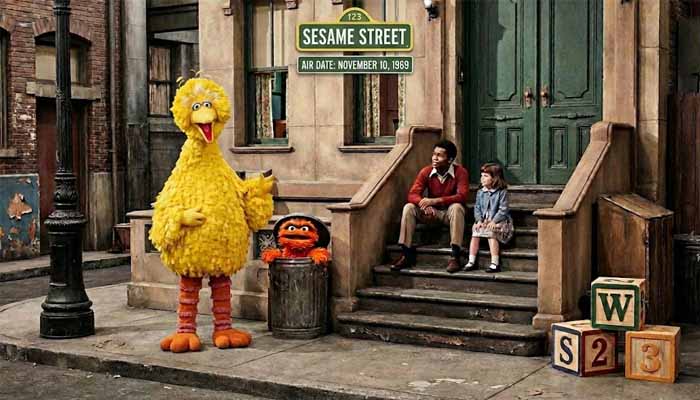
The episode begins with Gordon (played by Matt Robinson) sitting on the front stoop of the iconic 123 Sesame Street brownstone. He meets a young girl named Sally, who has just moved to the neighborhood. Gordon acts as a tour guide for Sally (and the audience), introducing her to the human cast and the Muppets.
Fun Fact: The character of Sally was created as a surrogate for the audience, but producers eventually realized that children preferred watching the interaction between the Muppets and the regular adults. Sally was dropped from the show shortly after the first season.
5 Things That Were Different in Episode 1
For fans familiar with the polished, colorful world of Elmo and Abby Cadabby, the first episode can feel like a fever dream. The show was originally designed to have a “gritty,” realistic inner-city feel.
Here are the most shocking differences from the premiere:
1. Oscar Was Orange
Perhaps the most jarring visual for new viewers is Oscar the Grouch. In his debut, he lived in a trash can, was just as rude, but his fur was bright orange. Jim Henson later decided that Oscar should be green to better represent “mold” and “yuckiness.” He changed color a few episodes later, with the show jokingly explaining he had gone to “Swamp Mushy Muddy” for a vacation and turned green.
2. Big Bird looked… odd
The Big Bird of 1969 was not the fluffy, bright yellow, intelligent 6-year-old we know today. In Episode 1, Big Bird:
- Had a much smaller, pin-sized head.
- Had shaggy, unkempt feathers.
- Acted more like a “village idiot” character than a curious child.It took Caroll Spinney (the puppeteer) and the writers a season to refine Big Bird into the sweet, relatable child surrogate he became.
3. The “Street” Was Not Magical
The set design was intentionally realistic. There were garbage cans, peeling paint, and a sense of urban realism. The producers wanted inner-city children to recognize their own world on screen.
4. Snuffleupagus Was Invisible
Actually, Mr. Snuffleupagus wasn’t even there yet! He wouldn’t debut until Season 3 (1971).
5. Humans Were Sterner
The acting style in the first episode was more straightforward and less “preschool teacher” in tone. Mr. Hooper, played by the legendary Will Lee, was introduced as a slightly grumpy store owner, though his heart of gold was evident from the start.
The Curriculum: Brought to You by the Letter…
Sesame Street was the first show to base its content on a formal curriculum. The first episode was famously “sponsored” by:
- The letters W, S, and E
- The numbers 2 and 3
The episode featured several animated shorts and Muppet sketches interspersed with the street scenes. This “magazine style” format was inspired by the pacing of television commercials, which creators Joan Ganz Cooney and Lloyd Morrisett noticed captivated children’s attention.
Notable Sketches in the Premiere:
- Ernie and Bert: The duo appeared in a sketch where Ernie takes a bath, though the famous “Rubber Duckie” song wouldn’t top the charts until later.
- Carol Burnett: The comedy legend made a cameo appearance in the very first episode, setting the stage for the massive celebrity involvement the show is known for.
- Kermit the Frog: Kermit gave a lecture on the letter “W” (and was attacked by a “W” monster), cementing his role as the show’s original roving reporter and lecturer.
The Legacy of November 10, 1969
The first episode of Sesame Street was a critical smash, winning three Emmys and a Peabody Award. It proved that television didn’t have to be a “vast wasteland” but could be a powerful tool for education.
While the pacing was slower and the puppets looked a bit rough around the edges, the heart of the show was present from minute one: a diverse, integrated community living together, solving problems, and learning that it’s okay not to know, as long as you ask.
Quick Stats: Episode 1
| Feature | Details |
| Air Date | November 10, 1969 |
| Network | NET (National Educational Television) |
| Runtime | 58 Minutes |
| Key Humans | Gordon, Susan, Bob, Mr. Hooper |
| Key Muppets | Big Bird, Oscar, Ernie, Bert, Kermit |
Conclusion
The first episode of Sesame Street serves as a fascinating time capsule of late 1960s America. It was bold, experimental, and unafraid to show the reality of city life while injecting it with joy and music. More than 50 years later, the street remains paved with the same good intentions that started it all.