
If you only know the felt-and-feather heroes from their blockbuster films, you are barely scratching the surface of the Jim Henson universe. Long before digital streaming archives and modern fandom retrospectives, the Henson vault held a treasure trove of boundary-pushing television specials, experimental pilots, and abandoned mythologies that shaped modern entertainment.
Let’s pull back the curtain on two fascinating pieces of Henson history: a star-studded television milestone celebrating three decades of chaos, and the grim, forgotten conceptual roots of a dark fantasy masterpiece.
The Wild and Woolly History of The Muppets: A Celebration of 30 Years
In 1986, CBS aired a television event that felt less like a standard clip show and more like a victory lap for an empire at its absolute creative peak: The Muppets: A Celebration of 30 Years. Hosted by enduring names alongside Kermit the Frog, the special offered a rare, unfiltered glimpse into the staggering scale of Jim Henson’s workshop operations.
A Masterclass in Crossovers and Scale
By the mid-1980s, the Henson organization was a juggernaut. Between The Muppet Show, Fraggle Rock, feature films like The Dark Crystal and Labyrinth, and massive commercial ventures, the workshop was producing some of the most sophisticated practical effects in the world.
The 1986 anniversary special captured this momentum by seamlessly blending:
- Classic Bit Revivals: Fan-favorite sketches dusted off from early variety appearances, proving that the comedic timing of performers like Jim Henson, Frank Oz, Richard Hunt, and Dave Goelz hadn’t lost an ounce of its edge.
- A-List Celebrity Cameos: Unlike standard guest stars of a weekly television show, this special brought together an eclectic mix of cultural icons who genuinely treated the Muppets as theatrical peers.
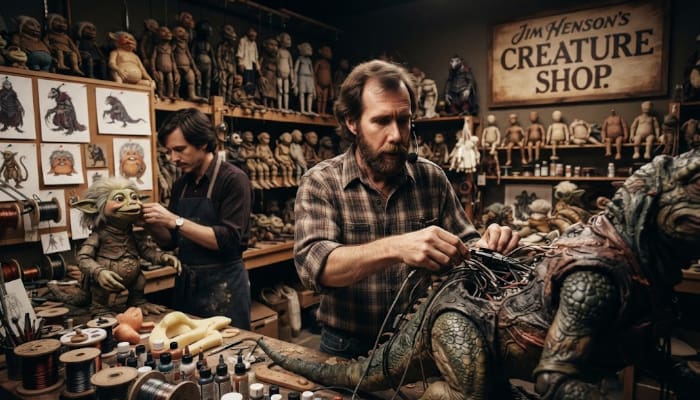
- A Peek Behind the Felt: The production didn’t hide the mechanics. It leaned into the artistry, showing viewers the sheer volume of puppeteers, builders, and technicians required to bring dozens of characters to life simultaneously on a massive soundstage.
It remains a vital watch for fans because it marks a specific historical sweet spot: the era where traditional television variety crossed paths with high-end cinematic creature design, all driven by the foundational joy of Henson’s earliest comedic experiments.
Monsters, Magic, and Mythology: Unpacking Early Dark Crystal Concepts
While The Muppets: A Celebration of 30 Years showcased the bright, chaotic side of the empire, the dark fantasy vault tells a much grimmer story. Long before The Dark Crystal hit theaters in 1982—and decades before Netflix revisited the world with Age of Resistance—the planet of Thra went through years of radical, terrifying conceptual mutations.
The Evolution of Thra: From Comedy to Cosmic Horror
When Jim Henson first conceptualized the film in the mid-1970s (originally working under working titles and narrative outlines distinct from the final product), he wanted to create something that completely broke away from traditional Tolkien-esque fantasy.
Unpacking the early development phases and abandoned story outlines reveals a fascinating design philosophy:
- Rejected Creature Concepts: Early sketches by Brian Froud and conceptual artists featured creatures far more alien and biologically grotesque than the final Gelflings and Skeksis. Some early drafts leaned heavily into surrealist, abstract nightmares where dialogue was secondary to pure, ambient sound design.
- The Original Skeksis Dynamics: Initial scripts for the ruling caste and the Mystics (originally called something entirely different in early notes) experimented with darker allegories about natural harmony and ecological decay. The Gelfling protagonists weren’t always designed as traditional heroes; early lore painted them as vulnerable scavengers in a dying, ancient ecosystem.
- Abandoned Subplots: Storyboards from the pre-production vaults reveal entire sequences involving lost biomes, mechanical traps, and alternative origins for the Shard of the Dark Crystal that would have pushed the film’s runtime past the three-hour mark.
These discarded ideas didn’t vanish—they laid the structural groundwork for the rich, sprawling lore that later powered comics, young adult novels, and modern streaming prequels, proving that Henson’s creative process was a perpetual motion machine of reinvention.
Dig Deeper Into the Vault
The magic of the Jim Henson library isn’t just that it entertained generations; it’s that the blueprint behind every felt frog, animatronic Gelfling, and avant-garde commercial was born from relentless experimentation. Whether you’re hunting down rare anniversary broadcasts or studying the dark concept art of Thra, there is always another layer of television history waiting to be uncovered.
What is your favorite deep-cut Jim Henson project? Let us know in the comments below!